Surround 5.1 | Drones | LFE
Long drones and dark ambient pieces mixed for real 5.1 surround with a working sub. Every sound is an instrument written in code and every frame is a shader.
Open playlist →On YouTube
This is the oldest work here and the most hand-built. It is a playlist of drones and dark ambient pieces, most of them between ten and forty-five minutes long, mixed for 5.1 surround with a real sub channel. They are for sleep, reading, or a dark room.
No generative music or image models were used. The sound comes from a synthesizer written in Python. The pictures are OpenGL shaders.
Listening
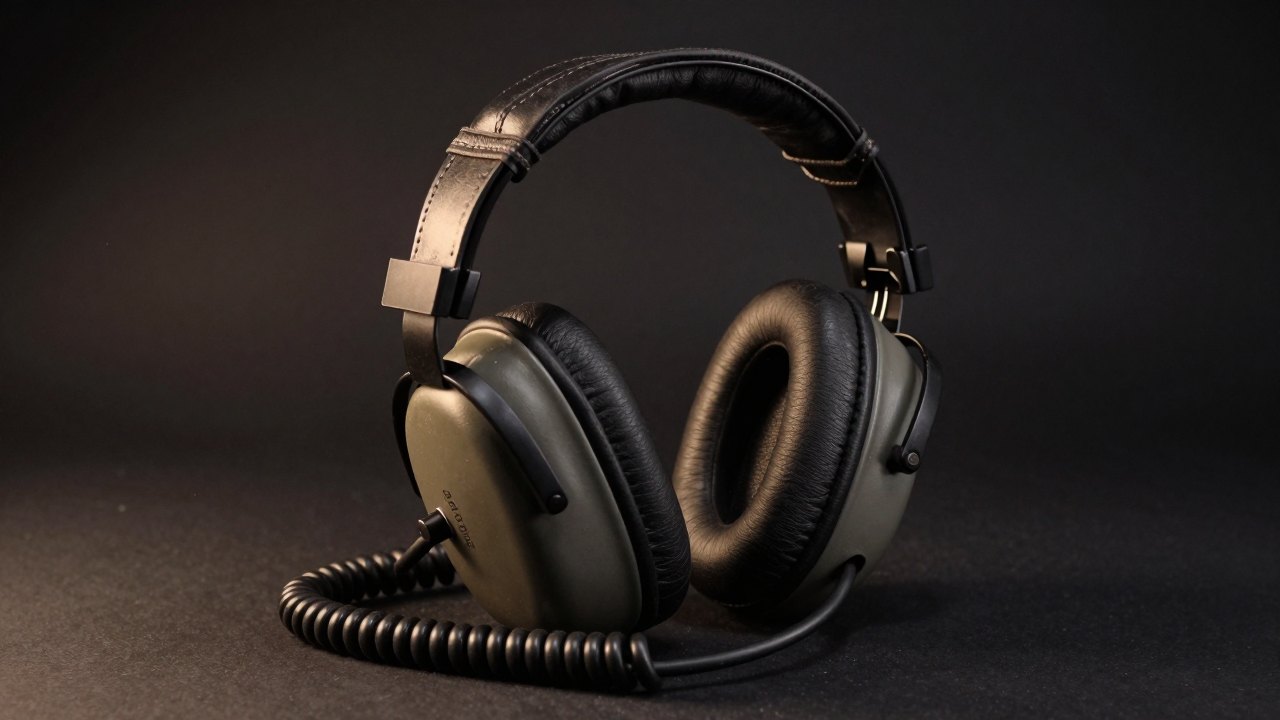
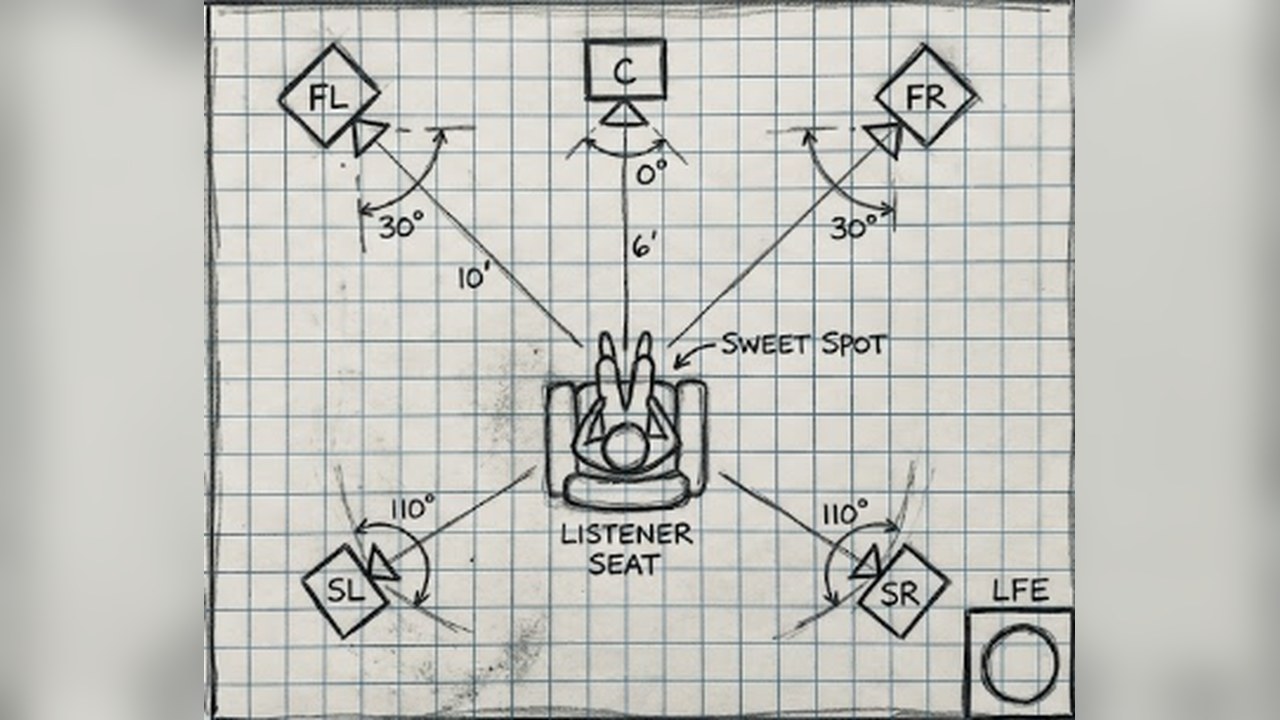
The low end is real. In one of the calm half-hour pieces the fundamental sits at 36.6 Hz and about 60% of the energy is below 60 Hz. You need headphones or a system that reaches down to get the whole thing. If you have a 5.1 system, the voices are placed around you: front, sides and behind, with the sub underneath.
The masters are 24-bit 5.1 with a stereo fold-down.
What made them
- Sound: pyo, a signal-processing library for Python. Every instrument is code I can read. Rhythms are Euclidean patterns running on one master clock, and each voice has a position in the room.
- Picture: moderngl, which is OpenGL from Python. The early pieces are 1080p or less. The later ones are raymarched in 4K at 60 frames a second in HDR, and the files run to 20 or 30 GB.
The picture does not react to the audio. Each take is recorded as the performance itself: which voice fired, when, where in the room, and how loud. The picture is rendered afterwards from that record, so it knows the whole piece before the first frame is drawn. A shape can gather before its note arrives and hold for exactly as long as the note sounds.
The instrument
Most of the playlist was played on one instrument, which I worked on from July to October 2026. It is a program that stays running and owns the sound card and a picture window. Claude connects to it and plays it through a set of tools: a catalog of voices, eight pads, a tempo, and a sequencer. A score can also be replayed offline on a virtual clock, and it renders exactly the same every time.
Two smaller tools sit beside it. One lets a local language model conduct the instrument, one move at a time. The other is a browser panel where I choose voices by ear on the 5.1 and place them in the room.
Some of the pieces
- The Dive and The Trench are the dark reference pieces, from August.
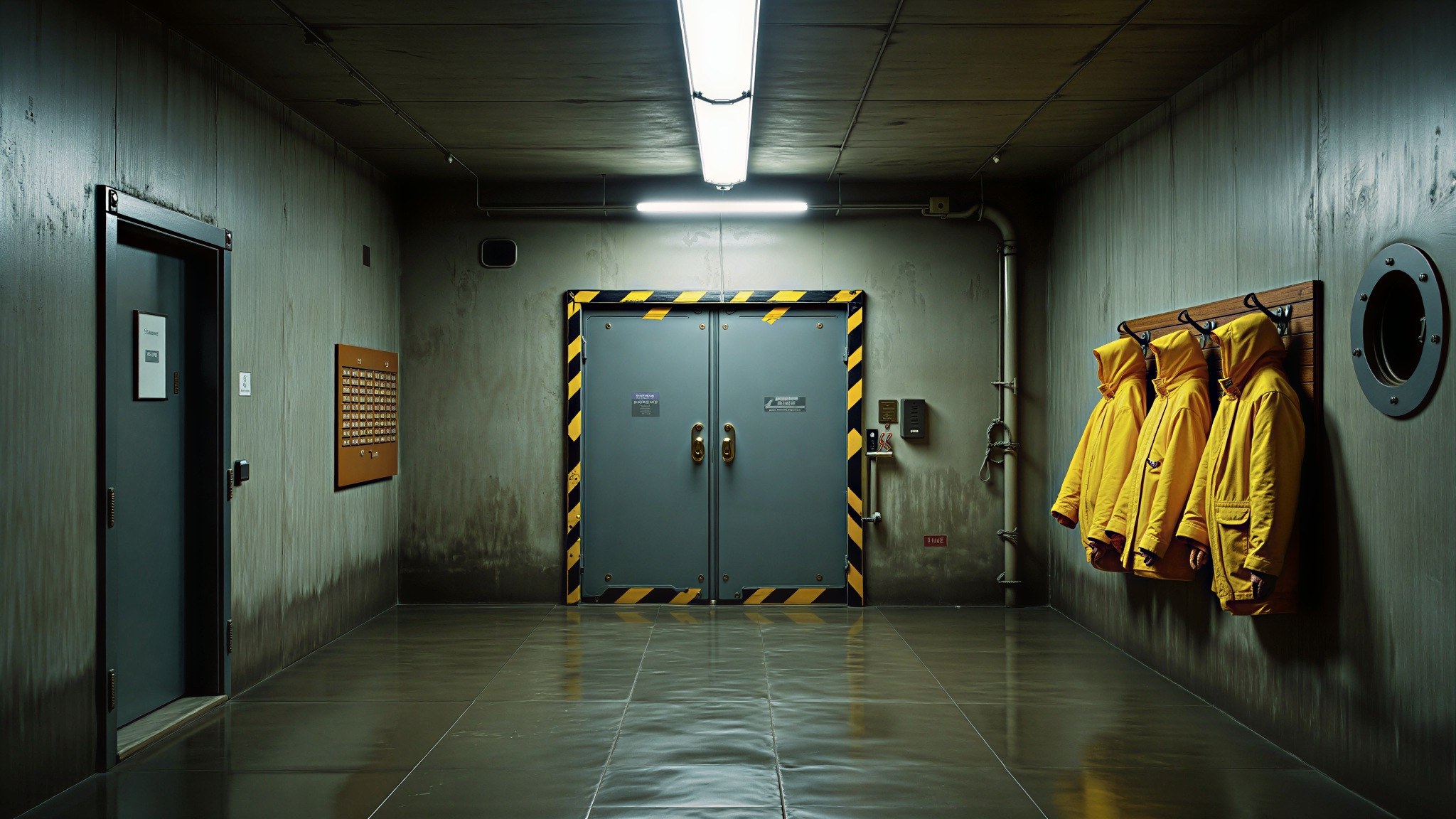
- The Specimen and LIMIT CYCLE are a story told in sound first, then rebuilt as a picture: a specimen in a containment vessel, watched through its panels. I learned something here. When I started writing scores to show off new shader tricks, the music got shallow. The rule now is score first, picture second.
- Thirty minutes from a microscope with no lens. The pictures are from a Raspberry Pi camera with no lens, lit at 532 nm: dandelion seeds, a cat whisker beside a human hair, a knife edge. Nine of them are holograms. The sound is scored from measurements of the same images. Depth becomes pitch, an octave for every ten millimetres.
The earliest pieces come from two earlier projects: one that built polyrhythms in surround, and one that started from a story drafted and judged by local language models.
Also here
- Finite State Ballads and Bespoke AI Techno: what came next, made with generative models.
- The games: look-and-find, one picture to a room.