Kestrel Rock: The 1983 Calibration
A 1983 listening station built into a basalt sea-stack in the North Atlantic. Something out there still needs calibrating.
Play →A station in the sea
It is November 14, 1983. You are the relief auditor, come out on the monthly mail-boat from Oban. Kestrel Rock is a wartime artillery fort bolted into a sea-stack, refitted in 1976 with hydrophones in the sea-caves below and an interferometer dome on the summit.
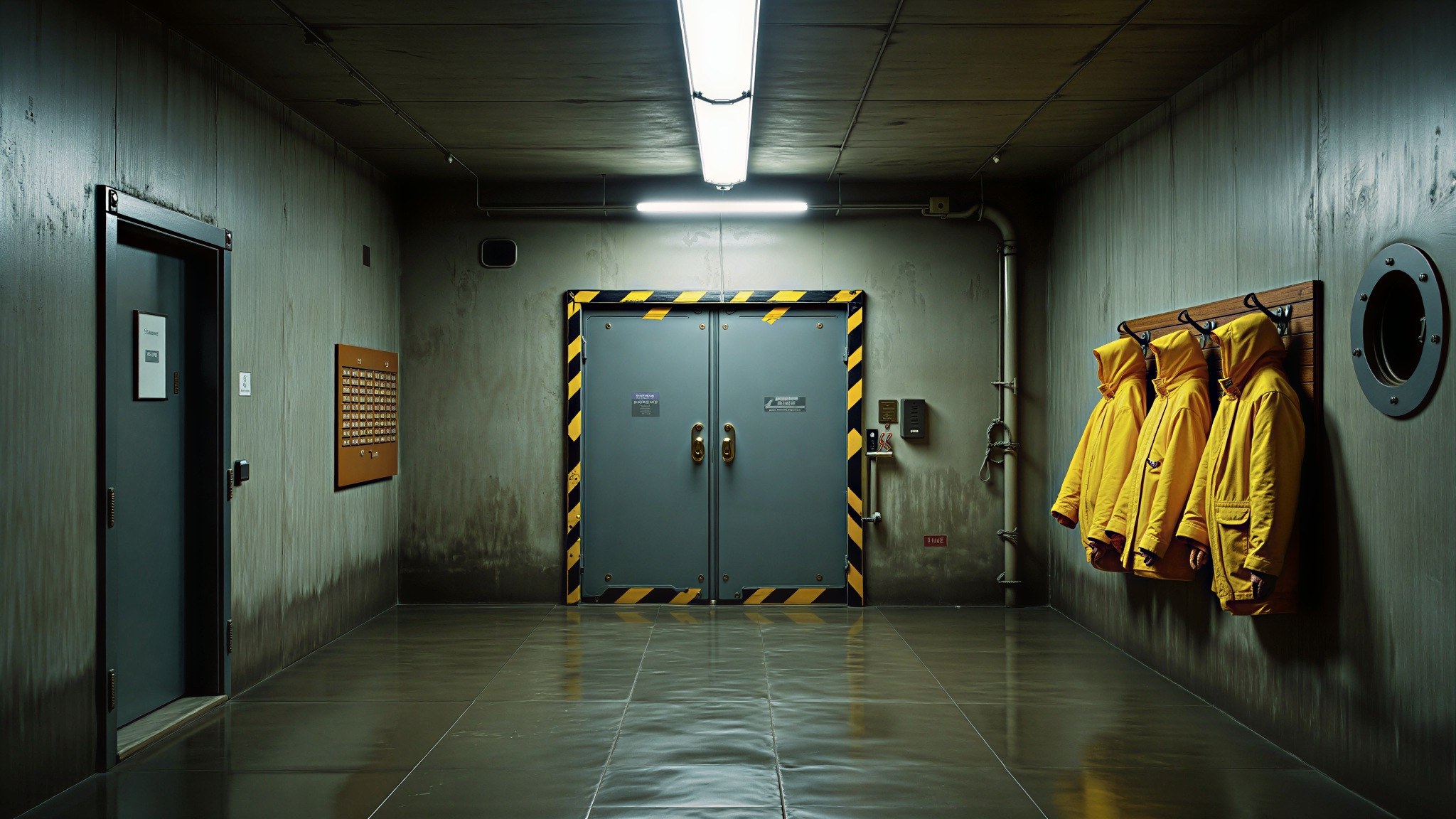
The boat leaves you on the pier in the sleet. You step into the Sea-Gate Vestibule, the storm-door booms shut, and its quarantine bar drops behind you. The station is empty, but not for long: the porridge on the galley stove still has a warm skin, and the darkroom safelight is still on. Four people lived here. What happened to them this morning is told only through the things they left.
Under all of it there is a low throb coming up through the floor.
How to play
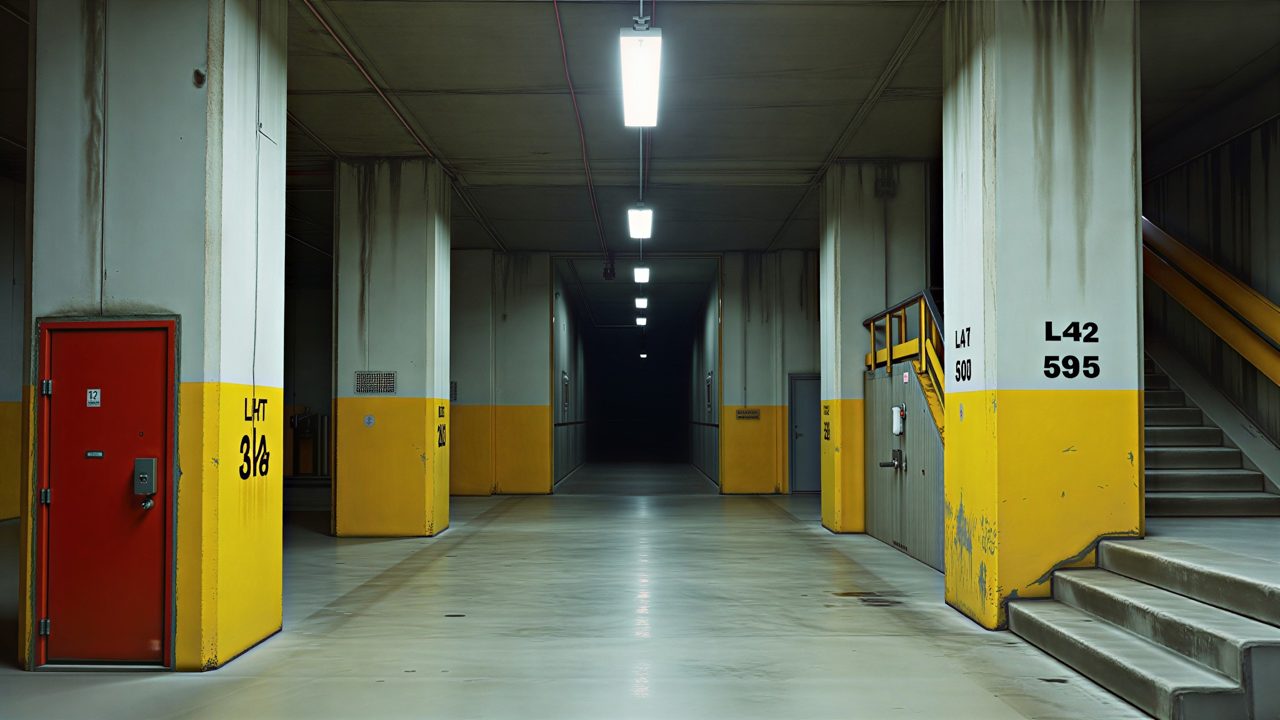
- Every room is one picture. Move over it and a caption tells you what each thing is. Click to take it, use it, or go through it. On a touch screen, tap to look and tap again to act.
- Things that do something are in bold with a ☆. It turns to ★ when you have done it.
- Each room counts what you have found, and the count turns to a star when the room is finished. That counter is the only map.
- You can't die and you can't get stuck. The text gives hints, not instructions.
- Your place is saved in this browser. Reload and you are in the same room.
There are 24 rooms on four levels, 230 things to find, and five things to carry. Two of the station's systems run on a timer that you can't beat by walking the obvious way.
The sound
The game ships no audio files. Wind, swell, machinery and that throb are all synthesized in your browser with WebAudio while you play, and each sound also appears as a line of text, so the game plays the same with the sound off. Nothing plays until your first click.
The throb is 14.2 Hz, which is below what laptop speakers can produce. So what you hear is a 56.8 Hz tone whose loudness pulses 14.2 times a second. It is part of the puzzle as well as the atmosphere.
How it was made
I built Kestrel Rock with mazegame, the day after The Betrothal at 4:20. It was designed as a building first and a puzzle second. At least nine of its rooms have no switches in them at all. They are there because a real station would have a bunk room, a sickbay and a galley.
- The design. Gemini wrote a long draft of the station: its rooms, its history and its people. Claude turned that draft into data and rewrote the puzzle rules by hand, because the draft's timers didn't work.
- The proof. Before any picture existed, a solver walked every state the level can be in: 1,364,608 of them. It can be won in 60 clicks, it has no dead ends, and every shortcut is needed.
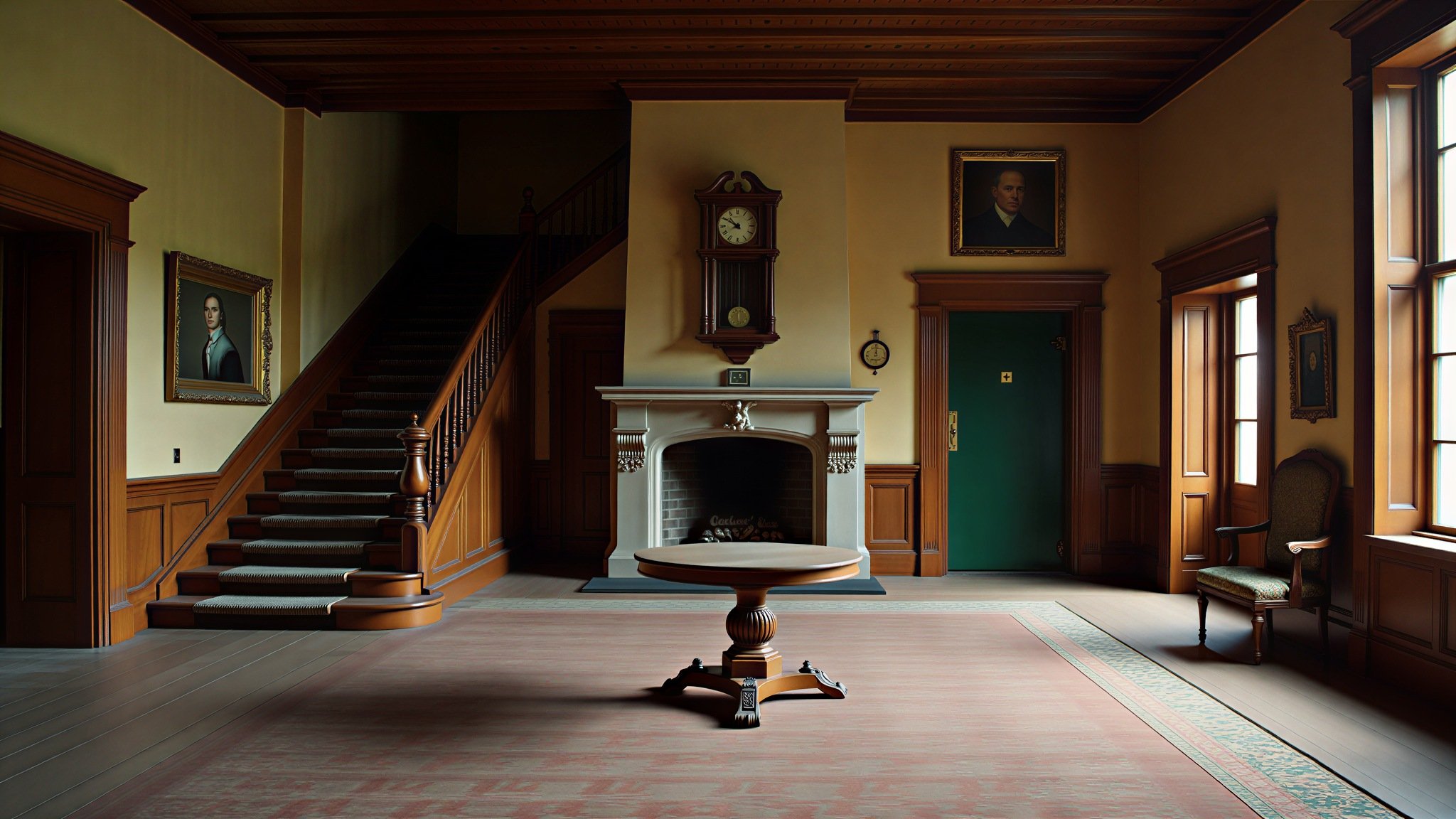
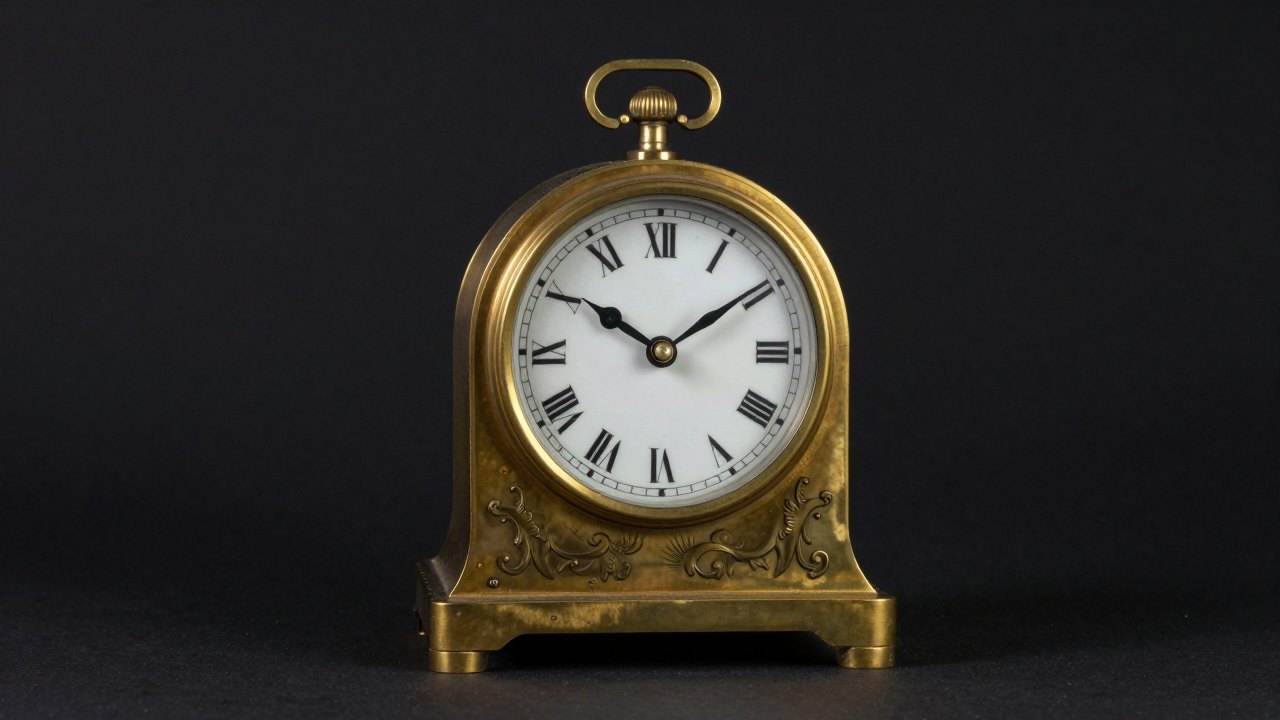
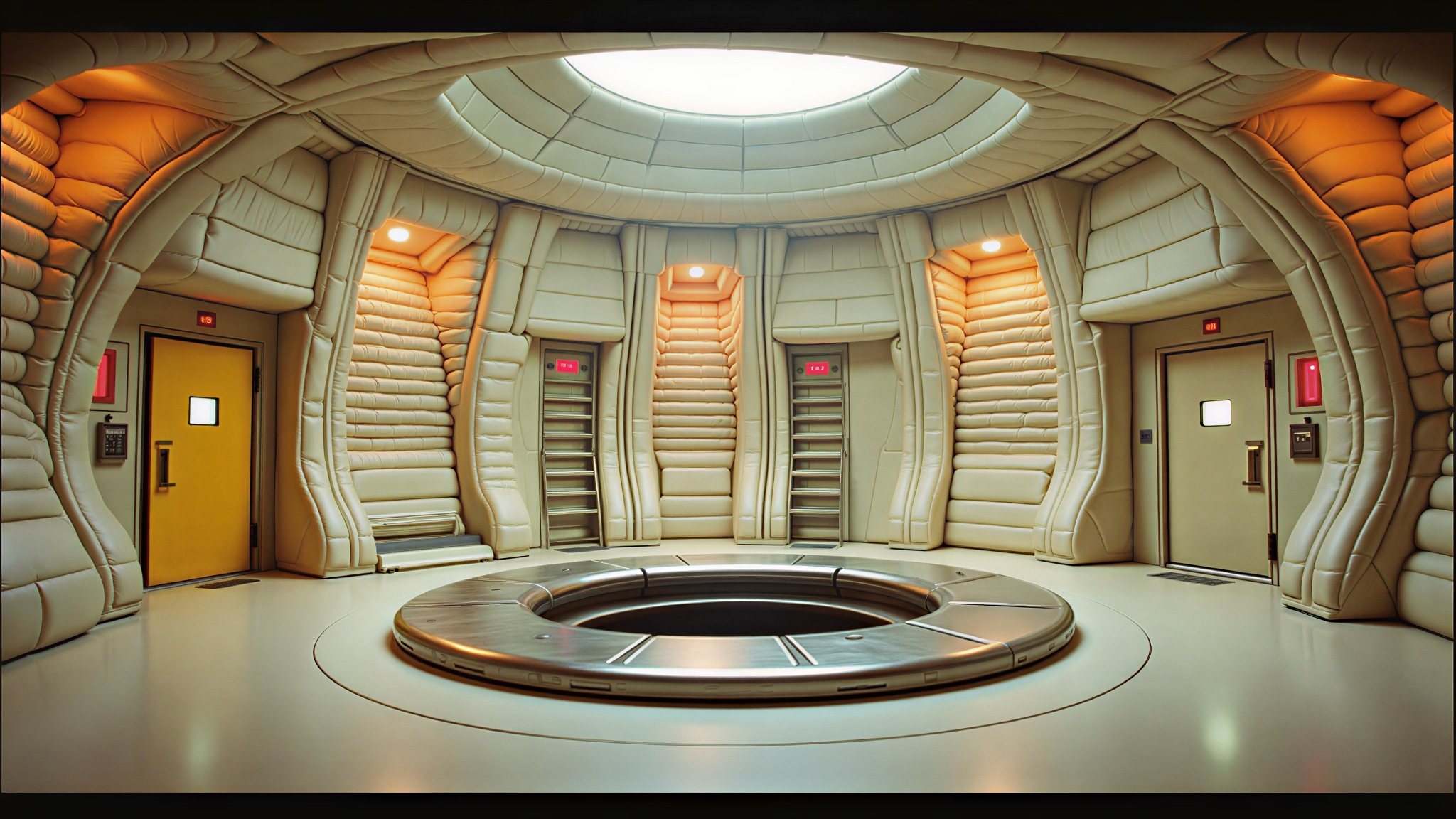
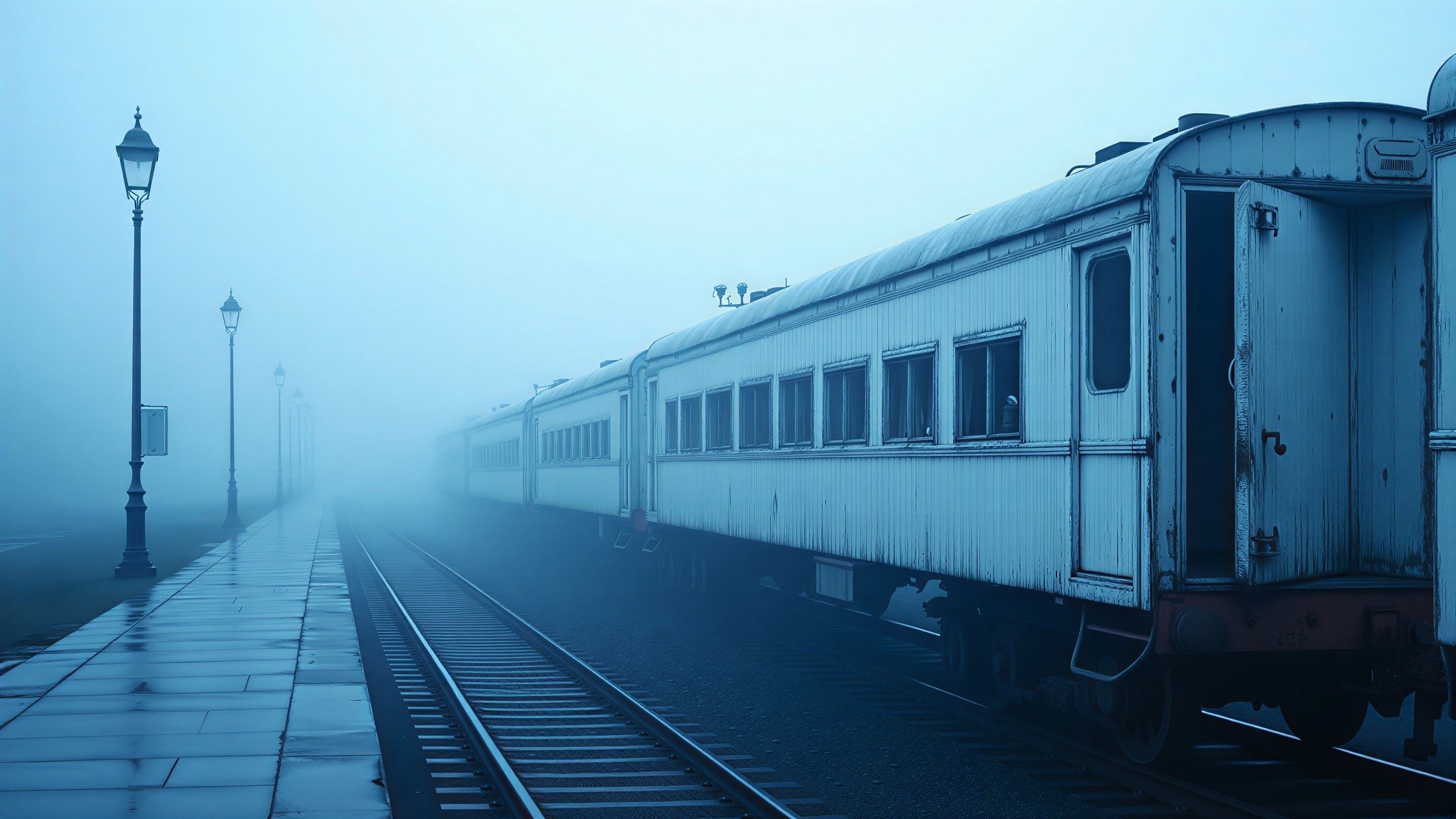
- The pictures. Each room is one image from FLUX.1-dev, run in ComfyUI on my own PC (one RTX 5080). I made four candidates per room, picked one by eye, and upscaled it to 2048×1152 with SeedVR2.
- The things. After the pictures were chosen, every object in each one was boxed, named and given a line of text. The picture came first and its meaning was decided by looking at it.
- The changes. When you pick something up, only a small patch of the picture is redrawn (Qwen-Image-Edit) and pasted back, so nothing else in the room moves.
- The sound. Each sound is a short description in data (noise, tone, pulse and chord layers) that the player turns into audio.
No AI runs while you play. The game is plain HTML, JavaScript, JSON and JPEGs. Each room is fetched when you walk into it, so the solution isn't sitting in the page source.