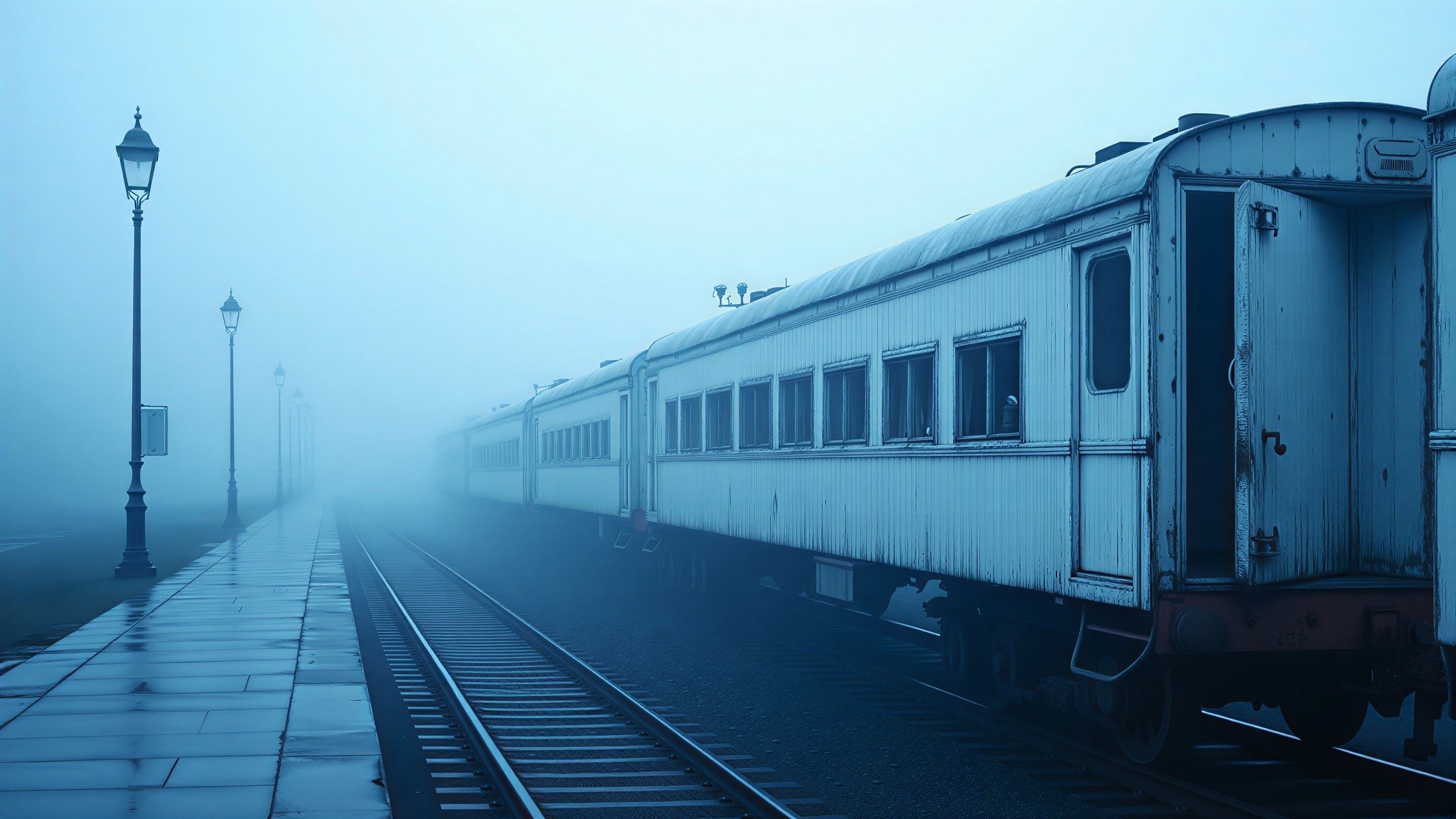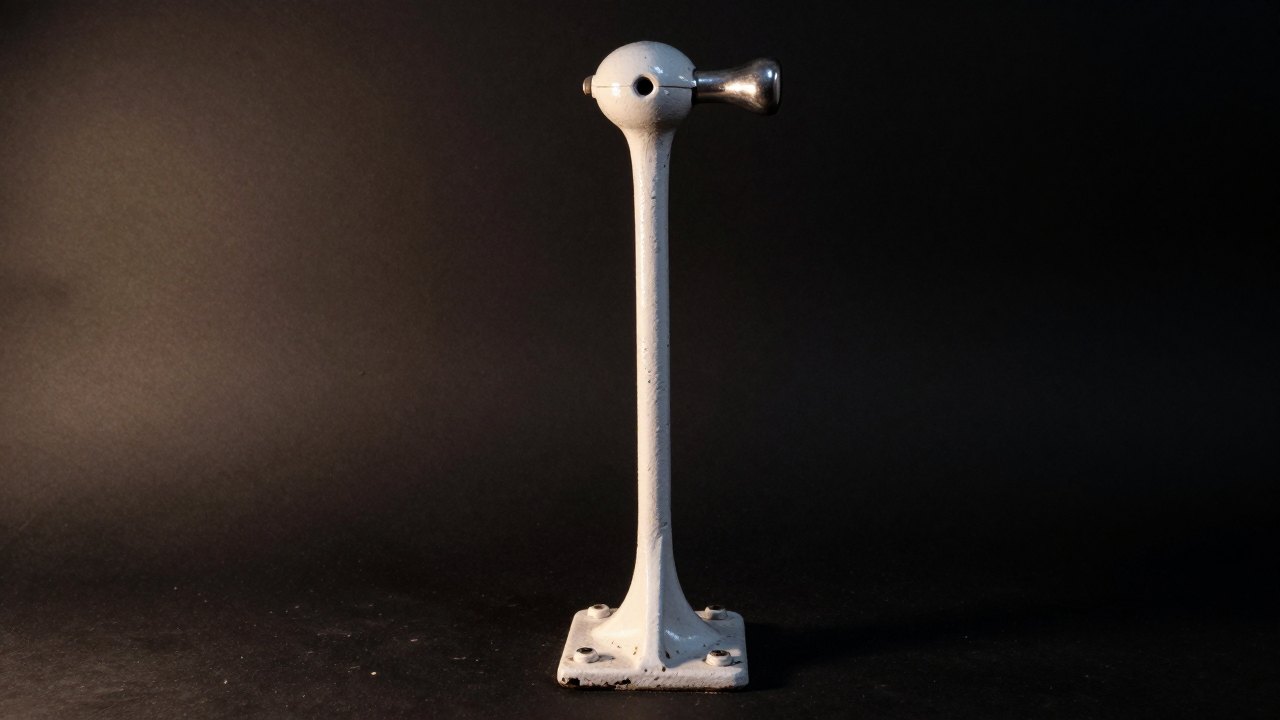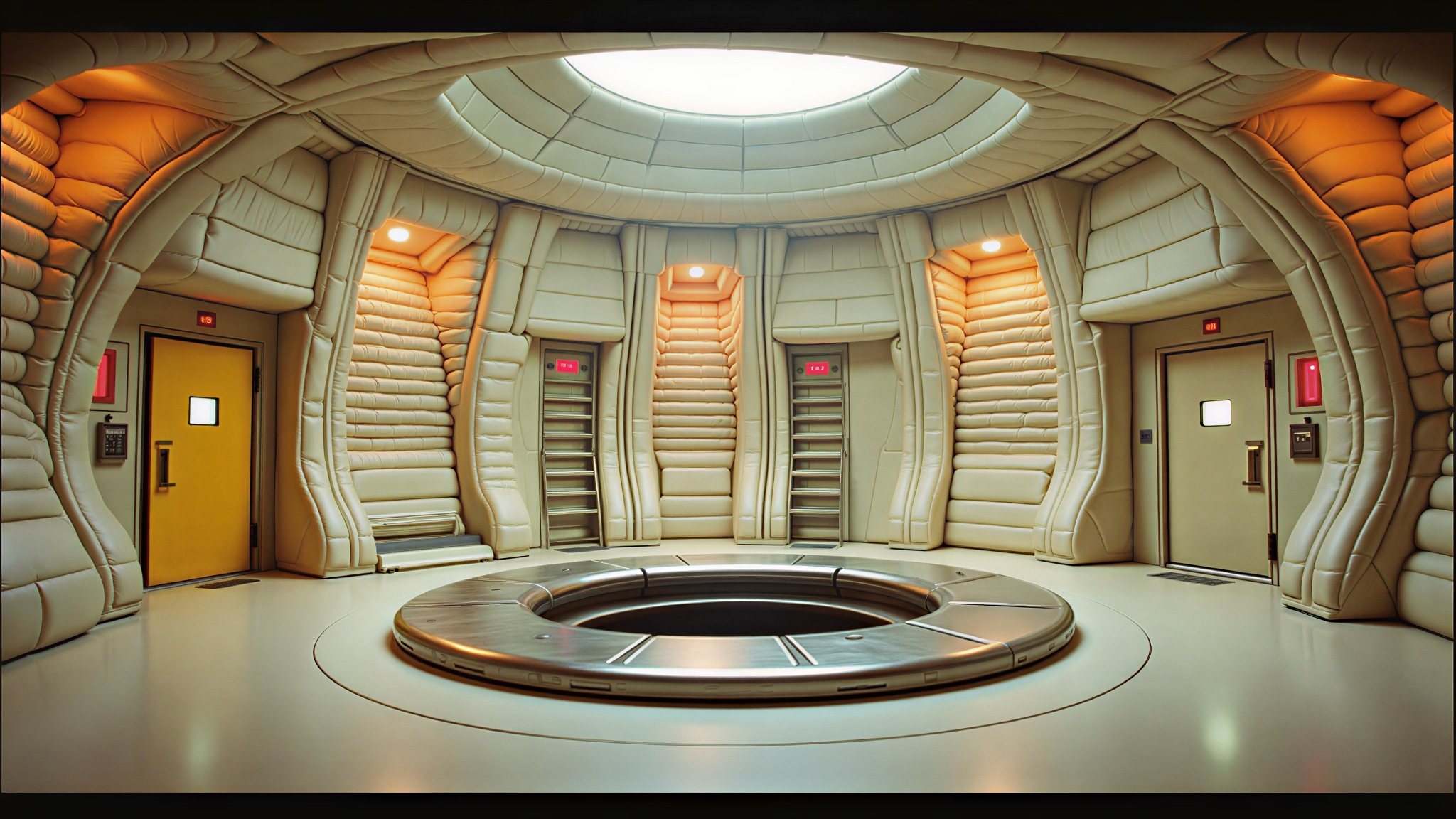
Perigee Station
A 1979 research station in a falling orbit over a ringed ice giant. The crew left six hours ago, and they left you asleep on purpose.
Play →Six hours late
It is October 1979. You are Kaelen Vance, the acoustic and orbital systems engineer of Perigee Station, a research relay in low orbit over the ringed ice giant Achelous. A failsafe opens your cryo-capsule at 04:20 Station Time. The other three capsules are open and cold. One escape pod is gone.
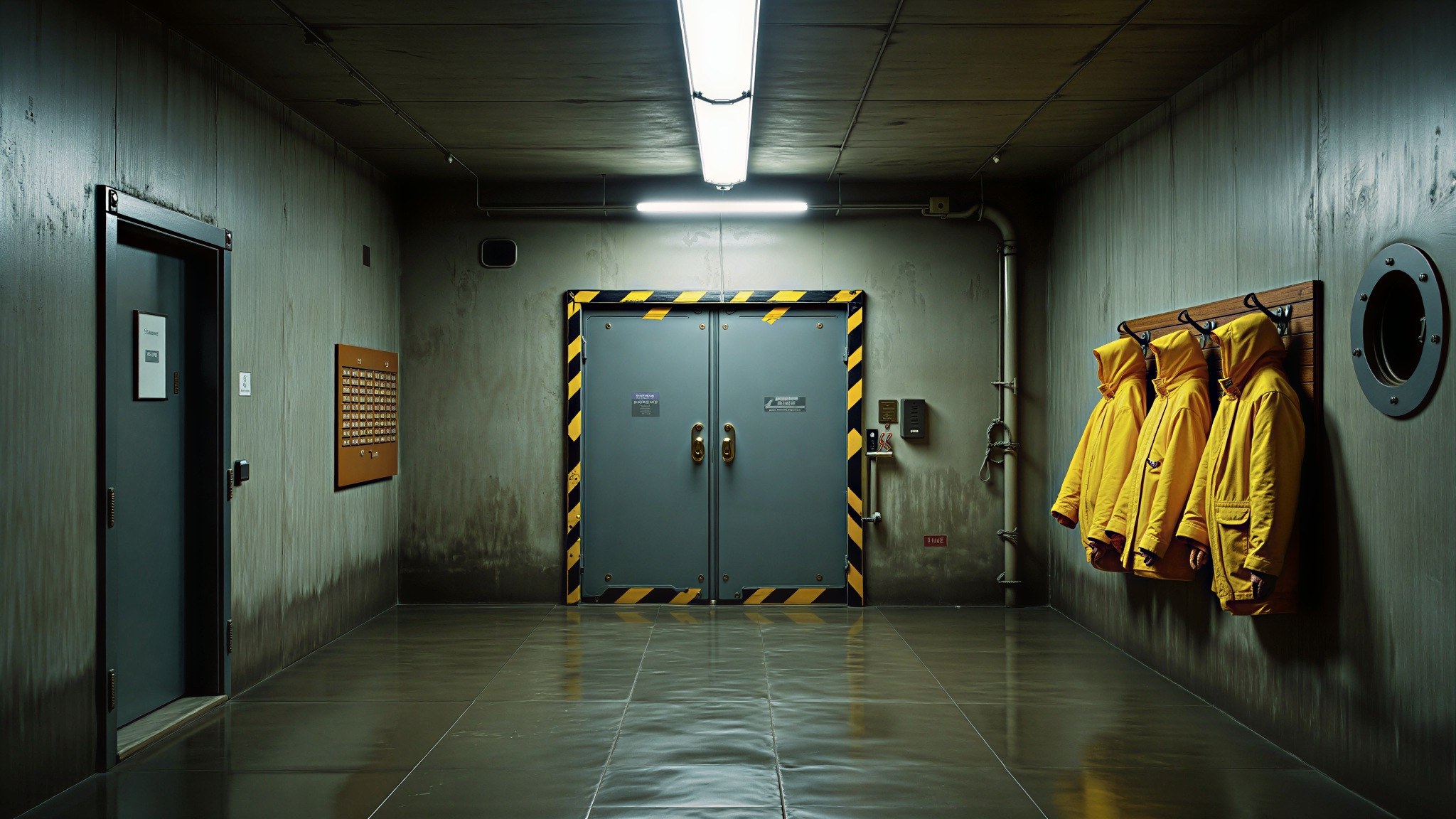
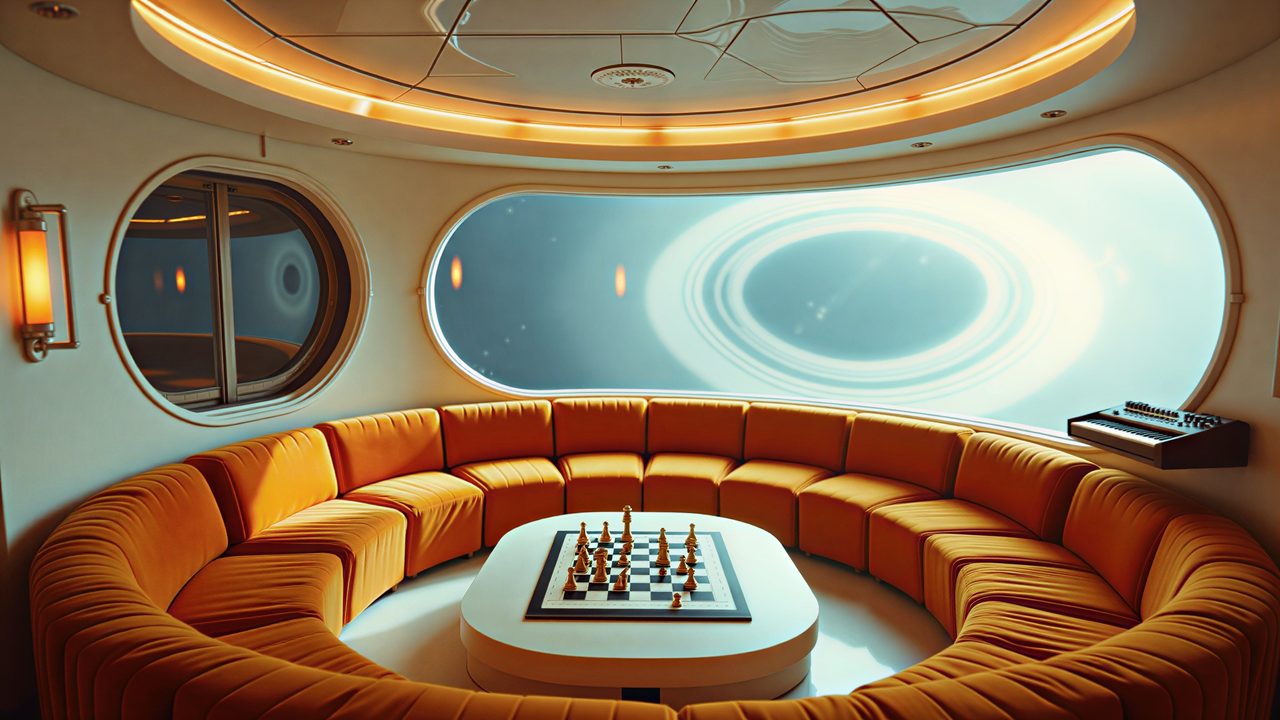
The station is not derelict. The grow lamps are on in Hydroponics, there is coffee with a skin on it in the mess, and a chess game is waiting for somebody's move in the lounge. But the orbit is decaying, the power bus is switched to nothing, and the second pod is locked under something called Quarantine Directive 96.
Three people lived here with you. What they did last night, and why they did it to you in particular, is told only through what they left behind.
How to play
- Every room is one picture. Move over it and a caption tells you what each thing is. Click to take it, use it, or go through it. On a touch screen, tap to look and tap again to act.
- Things that do something are in bold with a ☆. It turns to ★ when you have done it.
- Each room counts what you have found, and the count turns to a star when the room is finished. That counter is the only map.
- You can't die and you can't get stuck. The text gives hints, not instructions.
- Your place is saved in this browser. Reload and you are in the same room.
There are 21 rooms on four decks, 228 things to find, and five things to carry. The station has one power bus and you choose which deck it feeds. Two of its systems hold pressure for only three rooms' walk, which is less than the obvious way round.
The sound
The game ships no audio files. The hull groaning in the drag, the static off the rings and every machine aboard are synthesized in your browser with WebAudio while you play. Each sound also appears as a line of text, so the game plays the same with the sound off. Nothing plays until your first click.
The power has a sound. Turn the bus switch and a 400 Hz inverter hum leaves one deck and comes up in another, so you can hear where the station is live.
How it was made
Perigee Station was first built with mazegame as an 11-room test of dials and timers. This is its finished form. It gained ten rooms, a crew, a third act and sound, and none of the original eleven pictures was redrawn: the new rooms hang off doors and hatches that were already in those pictures as scenery.
- The design. Gemini wrote a draft of the larger station. Claude kept its people and its rooms and rewrote the rest: the draft turned windows into doors, and its clues spelled out their own answers.
- The proof. Before any new picture existed, a solver walked every state the level can be in: 196,924 of them. It can be won in 63 clicks, it has no dead ends, and every shortcut and clue is needed.
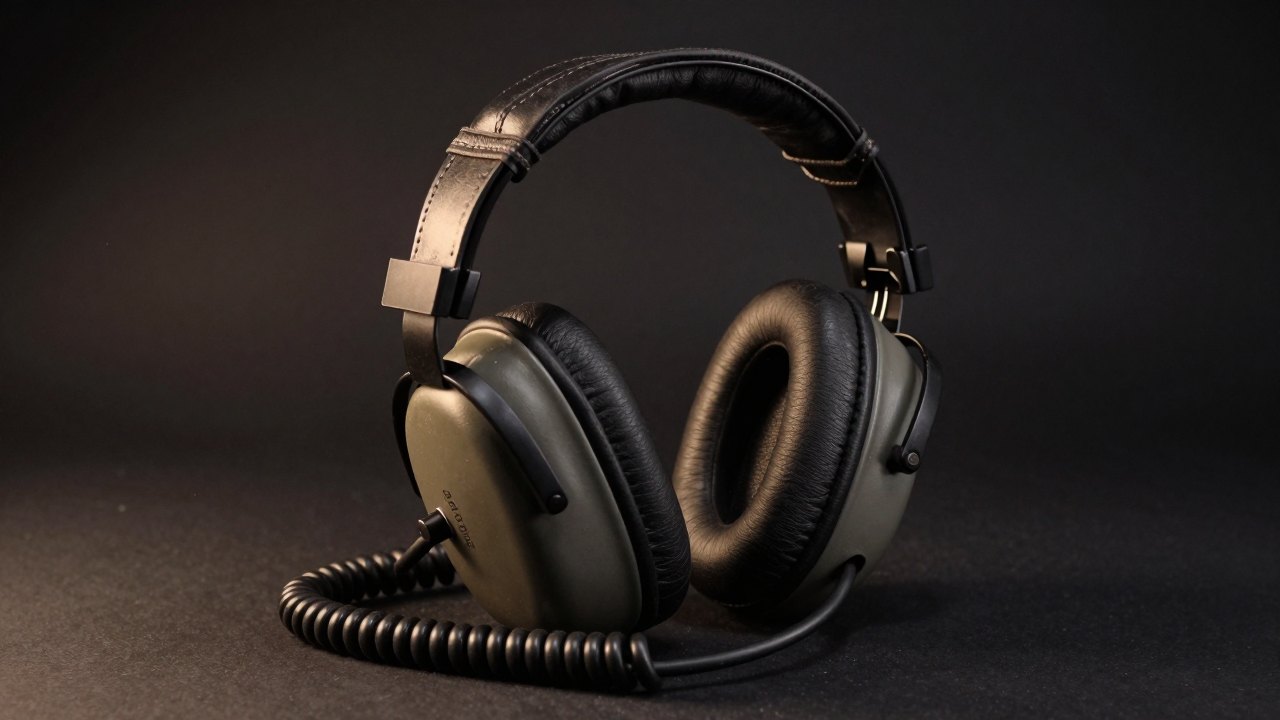
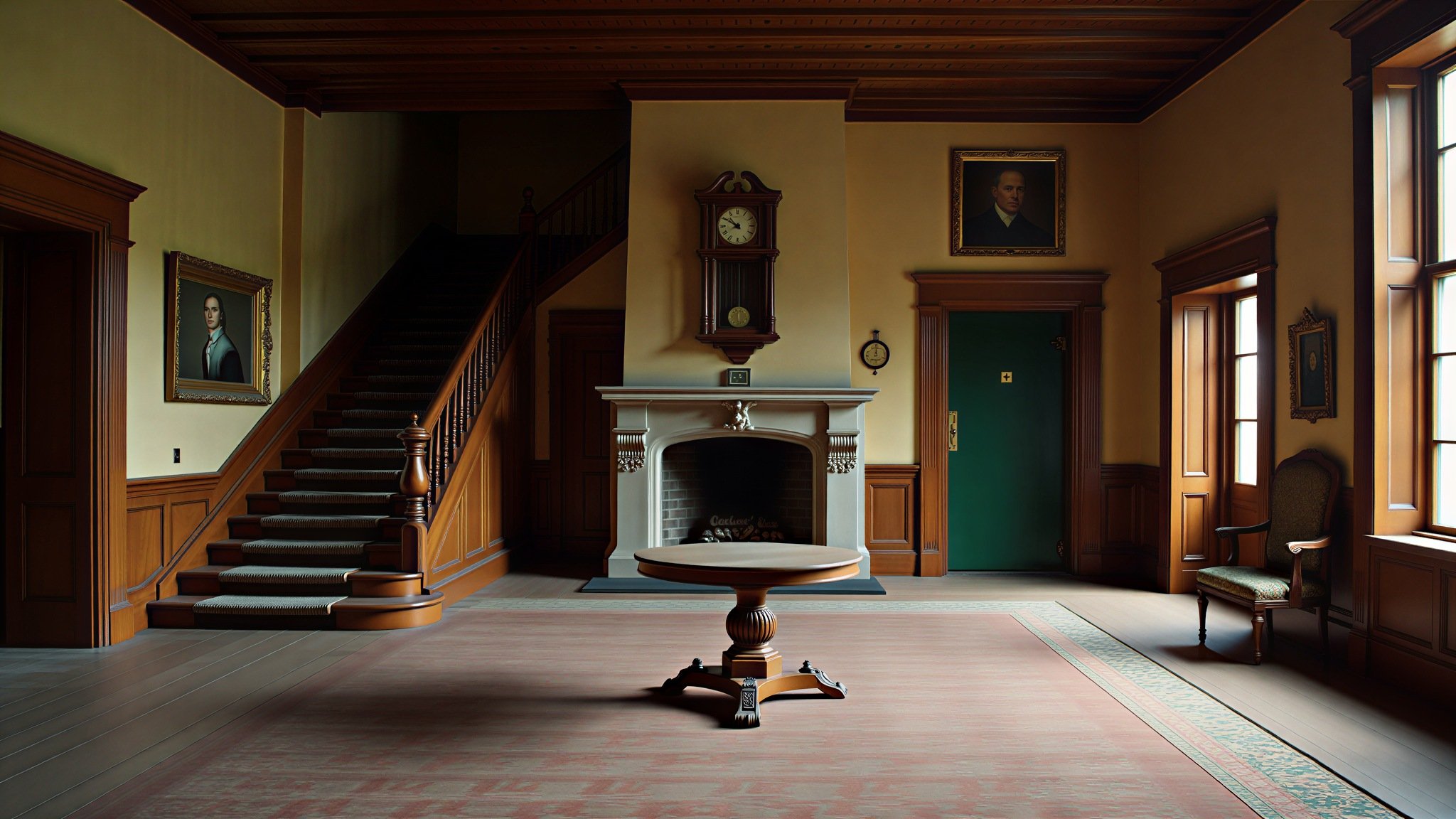
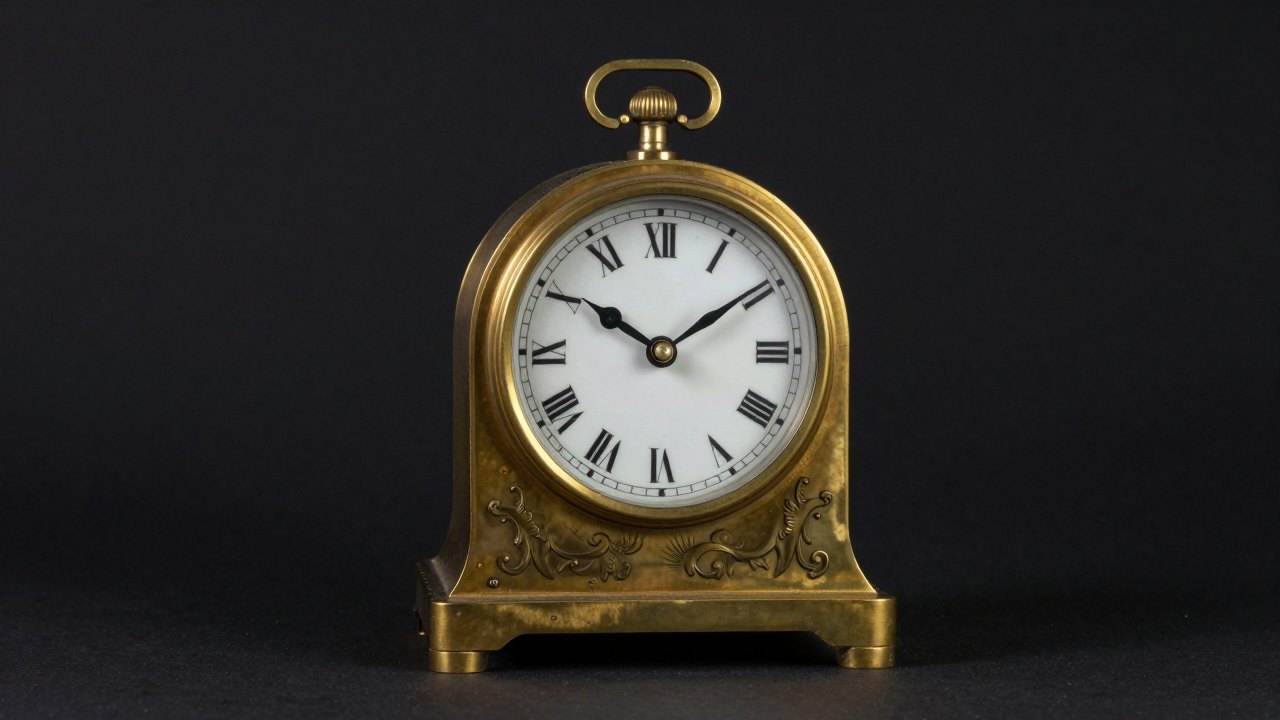
- The pictures. Each room is one image from FLUX.1-dev, run in ComfyUI on my own PC (one RTX 5080). I made four candidates per room, picked one by eye, and upscaled it to 2048×1152 with SeedVR2.
- The things. After the pictures were chosen, every object in each one was boxed, named and given a line of text. The picture came first and its meaning was decided by looking at it.
- The changes. When you pick something up, only a small patch of the picture is redrawn (Qwen-Image-Edit) and pasted back, so nothing else in the room moves.
- The sound. Each sound is a short description in data (noise, tone, pulse and chord layers) that the player turns into audio.
No AI runs while you play. The game is plain HTML, JavaScript, JSON and JPEGs. Each room is fetched when you walk into it, so the solution isn't sitting in the page source.